Canned mackerel and canned sardines are both very popular. Both give you cheap, protein-rich food that keeps on the shelf. Both work well for buying Bulk Canned Fish and for quick everyday meals.
So which can should a shopper pick? The answer depends on what the recipe needs. Mackerel has firmer flesh and a milder taste. Sardines give you bold flavor and soft texture.
A clear side-by-side comparison of size, nutrition, taste, texture, and best uses helps readers choose with confidence. Each fish has real strengths. Matching those strengths to the dish makes the decision simple.
Key Takeaways
-
Mackerel has firm, mild flesh that is good for grilling and pan-frying.
-
Sardines have a strong, salty taste and a soft texture, which makes them great for fast meals like toast and pasta.
-
Both fish give you protein, omega-3s, vitamin D, and B12, but mackerel has more calories in each can.
-
Look at the labels for sodium and pack style. Water-packed and no-salt-added options are healthier choices.
-
Buying canned fish in bulk saves money and gives you more flexible meal choices; keep the cans in a cool, dry place.
Physical Differences
Size, Packaging, and Styles
Canned sardines usually come in small, flat tins. These tins often hold about a hundred grams of fish. Mackerel usually comes in taller or wider cans, and the pieces inside are bigger. Shoppers who buy in bulk will see the difference on the shelf right away.
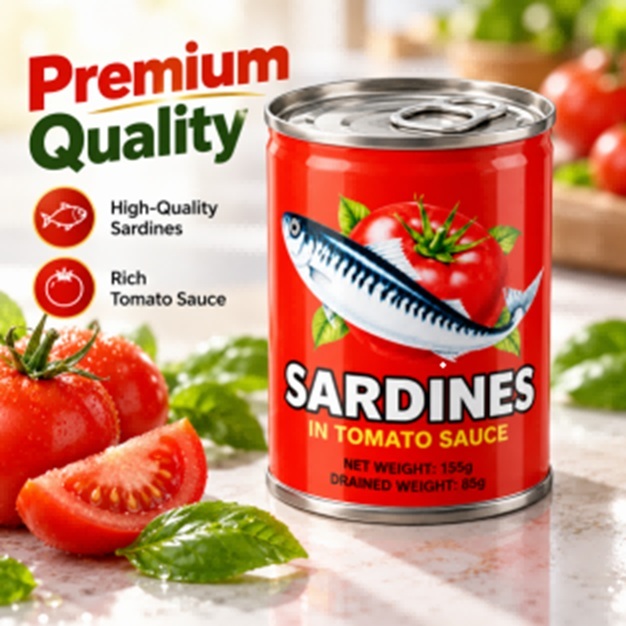
Pack styles are about the same for both fish. Common choices include spring water, olive oil, sunflower oil, smoked, and tomato sauce. Mackerel in tomato sauce is a popular pick. Buyers can find it in sizes like 155g 85g Canned Mackerel in Tomato Sauce, where the bigger and smaller sizes fit different meal sizes. Sardines also come packed in mustard, hot sauce, and various seasoned oils.
Bones, Skin, and Ease of Eating
Whole canned sardines are small, soft, and have silvery skin. The bones get soft during processing, so most people eat them whole without any trouble. This makes sardines an easy option straight from the can.
Whole canned mackerel is bigger and firmer. The bones stay more noticeable, and the fish is harder to eat whole. For this reason, mackerel often sells as fillets or chunks. These cuts make the fish easier to use in recipes and on a plate.
Boneless and skinless options exist for both fish. These packs cost a bit more, but they save time for anyone who wants a cleaner eating experience. Shoppers watching their sodium intake can also look for no-salt-added versions in either category.
Nutritional Breakdown
Protein, Omega-3s, and Vitamins
Both fish give you a lot of protein in a small can. One serving covers a big part of the protein most adults need each day. Mackerel and sardines also have helpful omega-3 and omega-6 fatty acids. These fats are good for your heart and brain, and they make both fish stand out from other pantry proteins that have less fat.
The vitamins and minerals add even more value. Each fish gives you vitamin D, vitamin B12, and selenium. Vitamin D is hard to find in everyday foods, so eating canned fish often helps fill that gap. B12 helps your nerves work well, and selenium works as an antioxidant mineral. These nutrients hold up well during canning, which makes shelf-stable fish a smart choice for every day.
Calories, Sodium, and Fat
The two fish differ in how much energy they give you. Mackerel is the richer fish at about 262 calories per 100g. Sardines are lighter at about 208 calories per 100g. A shopper watching how much they eat may pick sardines for smaller portions. A shopper who wants more fuel per can may choose mackerel.
Sodium is the bigger thing to watch. The amount changes a lot by brand and pack style. Fish packed in brine or seasoned oil usually has more salt than fish packed in spring water. No-salt-added versions exist for both mackerel and sardines. Fat content also follows the pack style, since oil-packed fish soaks up some of the oil. The label on each can tells the real story. Shoppers should compare the nutrition panel across brands and pick the pack style that fits their goals.
Taste and Texture
Flavor Profiles Side by Side
Sardines carry a bold, briny taste. The flavor has a mineral-like, earthy edge. This comes from the way producers pack the fish whole. Skin, bones, and belly all stay in the can, and each part adds its own note to the final taste. A person who opens a tin of sardines gets a full, savory flavor right away. That flavor stands up well to strong partners like mustard, lemon, and hot sauce. It also explains why sardines rarely taste flat or dull.
Mackerel takes a gentler path. The flavor is milder and rounder, with a buttery richness that coats the tongue. Some tins of mackerel can taste fishy and oily. Other tins come across as mild and clean, close to good-quality tuna. The pack style often decides which result a shopper gets. Mackerel in olive oil tends to taste richer and smoother. Mackerel in spring water tastes lighter and lets the natural fish flavor come through. A buyer who wants a safe, mild can should start with a water-packed or lightly smoked option and compare brands.
Firmness and Richness
Texture separates the two fish as much as flavor does. Sardines are soft and delicate. The flesh gives way with little pressure, and the soft bones blend into each bite. This texture suits people who like a spreadable, melt-in-the-mouth feel. It also means sardines fall apart easily when a cook stirs them into a hot pan. That quality works well in sauces and mashed spreads, where a broken texture is the goal.
Mackerel is firmer and meatier. The flesh holds its shape under a fork and keeps together in the pan. A cook can sear it, flip it, and place a whole fillet on a plate without worry. This firmness gives mackerel a more substantial bite, closer to a steak than to a soft spread. The richness adds weight as well. Mackerel feels heavier and more filling on the tongue, while sardines feel lighter and more intense.
Both fish reward a careful first taste. A shopper can try a small portion from a new brand before building a full meal around it. The flavor and texture of each can vary by pack style, so a quick taste test tells the cook exactly what the tin will do in a recipe.
Culinary Uses
Best Dishes for Mackerel
Mackerel shines in hearty, meaty cooking. Its firm fillets hold together on a hot grill, so a cook can brush them with oil and char them without the flesh falling apart. Pan-frying works just as well. A quick sear gives the outside a crisp edge while the inside stays moist and rich.
Pasta dishes welcome mackerel too. A cook can flake the fish into a tomato sauce or toss chunks with olive oil, garlic, and lemon. The firm pieces keep their shape and add a substantial bite. Rice bowls offer another strong match. Place a fillet over warm rice with vegetables and a savory sauce, and the result feels like a full meal.
Any recipe that calls for a tuna-like fillet suits mackerel. Think of a fish sandwich, a Nicoise-style salad, or a baked casserole. The milder, buttery flavor blends into these dishes without taking over. Cooks who want a filling, protein-forward plate will find mackerel a reliable choice.
Best Dishes for Sardines
Sardines suit quick, savory eating. Toast ranks as a classic use. Lay the fish on crusty bread with mustard, lemon, or sliced onion, and lunch comes together in minutes. Salads and sandwiches work the same way. The bold, briny flavor cuts through rich ingredients and wakes up simple greens.
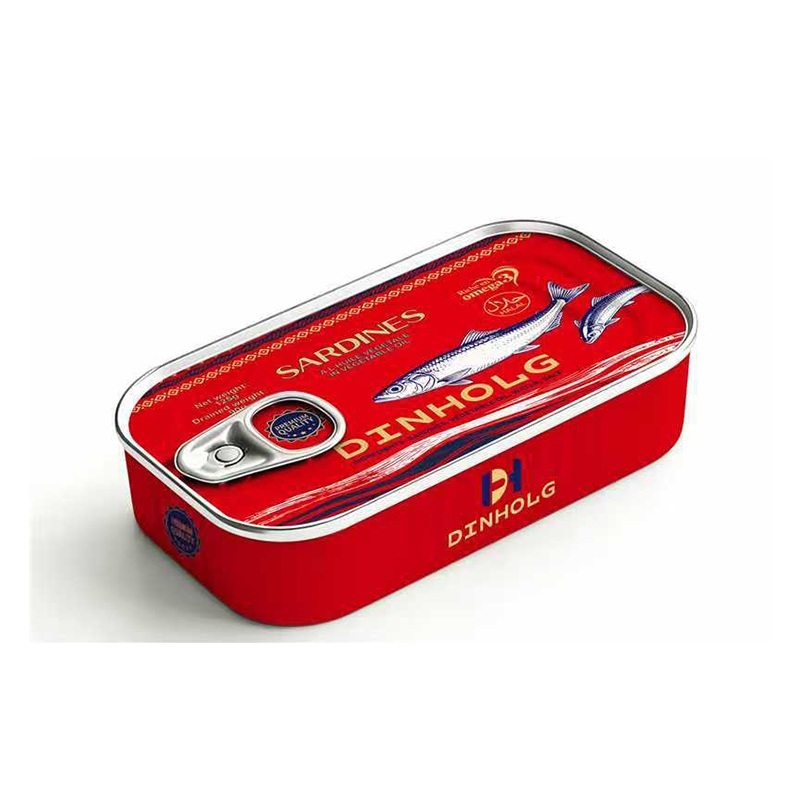
Pasta with breadcrumbs is a well-loved sardine dish. The cook breaks the soft fish into hot oil with garlic, adds toasted breadcrumbs, and tosses everything with the noodles. The sardines melt into the sauce and coat each strand. A tin such as 125g Canned Sardines in Vegetable Oil fits this recipe well, since the oil carries flavor and keeps the fish tender.
Bold-flavored spreads give sardines another home. Mash the fish with cream cheese, capers, or hot sauce, and spread the mix on crackers or toast. The soft texture makes this step easy. Sardines also work in a hearty stew or a baked dish with potatoes and tomatoes.
Substituting One for the Other
The two fish can often swap places in the same recipe. A pasta sauce, a salad, or a rice bowl accepts either one. Flavor intensity decides the better fit. Sardines bring a loud, briny punch, and mackerel brings a gentler, richer note. A cook who wants a mild result reaches for mackerel. A cook who wants a strong, savory kick reaches for sardines. Matching the fish to the dish keeps every meal on target.
Health Considerations
Mercury, Sodium, and Dietary Fit
Mercury is a common worry for people who eat fish. Mackerel and sardines both come from small species that do not live long. These fish sit low on the food chain and spend little time building up mercury in their flesh. Most general dietary guidance places both cans among the safer fish choices for regular meals. This section offers general information only. A reader with a specific health condition should ask a doctor or dietitian for personal advice.
Sodium and added oils are the main things to watch. Salt levels swing widely between brands and pack styles. Fish packed in brine or seasoned oil usually carries more sodium than fish packed in spring water. Shoppers who monitor salt intake should look for no-salt-added and water-packed cans. These options let the cook control the seasoning at home. Added oils matter for a different reason. Oil-packed fish picks up extra fat and calories from the packing liquid. A quick drain and rinse removes some of the surface oil and salt. The nutrition panel on each can gives the exact numbers, so a label check beats a guess every time.
Both fish fit well into most diets. Each can delivers lean protein, omega-3 fats, vitamin D, and B12 in a compact package. Neither fish carries a special restriction for the average healthy eater. A person who watches calories may favor sardines for their lighter profile. A person who wants more energy per can may lean toward mackerel. Neither choice counts as a compromise. A pantry that holds a mix of both gives the cook flexibility without any health trade-off.
Bulk Canned Fish: Value and Storage
Stocking Up and Storing
Buying Bulk Canned Fish makes good sense for most households. These cans keep for years on a shelf, so a shopper can stock up without worry about spoilage. The low cost per can also stretches a grocery budget. A full pantry of cans gives the cook meal options on busy nights, and it removes the need for a last-minute store run.
Proper storage protects that value. A cool, dry place works best, away from direct heat and sunlight. A shopper should check the date on each can before buying and again before opening. Rotating stock keeps the oldest cans in front, so nothing sits forgotten at the back of the shelf. Dinholg supplies bulk canned fish in sturdy packs that hold up well in storage, and a simple first-in, first-out habit keeps every can at its best.
Getting the Best Value
The two fish offer value in different ways. Mackerel packs more energy into each can at roughly 262 calories per 100g, so it suits shoppers who want filling meals from fewer cans. Sardines often cost less per can at about 208 calories per 100g, which suits tight budgets and lighter portions. Neither option wins on every measure. A smart buyer weighs price per can against calories per can and picks the fit for the household.
Pack style also shapes the value. Water-packed cans cost less than oil-packed ones, and no-salt-added versions often sit in the same range. A shopper who buys Bulk Canned Fish in larger quantities can compare unit prices across brands and pack styles. Dinholg offers both fish in several pack sizes, and a mixed order lets a family enjoy mackerel for hearty dishes and sardines for quick meals. That approach delivers flexibility and steady savings over time.
Canned mackerel and canned sardines both give you healthy, flexible protein at a low price. Each fish has its own strengths for your pantry. Mackerel has firmer, milder, meatier flesh that works well for grilling, pan-frying, pasta, and rice bowls. Sardines bring bold, briny flavor and soft texture that stand out on toast, in salads, and in quick savory spreads.
A simple plan helps shoppers decide. Pick mackerel when a recipe needs a firm, tuna-like fillet with a gentle flavor. Pick sardines when bold taste and fast cooking matter most. Taste, texture, and what the recipe needs should guide your choice.
Smart shoppers keep a mix of both on hand. A pantry stocked by buying Bulk Canned Fish gives families options for hearty dinners and quick lunches alike. Neither fish wins overall. Each one earns its spot on the shelf.
FAQ
Which fish has more protein and omega-3s per can?
Both fish deliver a strong protein punch and helpful omega-3 fats. Mackerel packs more energy per 100g at about 262 calories, while sardines sit near 208. The label on each can gives the exact protein and fat numbers, so a quick comparison across brands settles the question.
Can a cook use mackerel in place of sardines in a recipe?
Yes, the swap usually works. Mackerel brings a milder, buttery taste and firmer flesh. Sardines bring a bold, briny kick and soft texture. A cook who wants a gentle result picks mackerel. A cook who wants a strong, savory punch picks sardines.
Do canned sardines have bones, and can a person eat them?
Whole canned sardines keep their small bones, and processing softens them enough to eat. Most people eat the fish whole without trouble. Shoppers who prefer a cleaner bite can buy boneless and skinless packs instead.
How long do these cans last, and how should a shopper store them?
Both cans keep for years on a shelf. A cool, dry place away from heat and sunlight protects them best. Shoppers should check the date on each can and rotate stock so the oldest cans get used first.
Are these fish safe to eat often?
Both come from small, short-lived species, so they sit low in mercury. General dietary guidance places both among the safer fish choices for regular meals. A reader with a specific health condition should ask a doctor for personal advice.