You need to understand the differences between IQF Frozen Catfish Whole and HGT before making any import decision. Product specifications and processing methods can shape the final quality and cost of your shipment. For example, IQF uses rapid freezing that forms micro-ice crystals, which helps maintain a moist texture and keeps drip loss low. Slower block freezing can create larger ice crystals, leading to drier flesh and higher drip loss. These factors influence the total cost and quality you deliver to your buyers.
Key Takeaways
- Understand the differences between IQF Frozen Catfish Whole and HGT. This knowledge helps you meet buyer expectations and improve sales.
- Choose IQF for easy handling and a natural look. Opt for HGT if your focus is on higher yield and less waste.
- Always check product specifications before ordering. Small changes in processing can impact quality and profit.
- Evaluate suppliers based on quality indicators like on-time delivery and certifications. Reliable suppliers ensure better product integrity.
- Match your product choice to your business needs. Consider your target market and customer preferences for optimal results.
Key Differences in Frozen Catfish
IQF vs. HGT Overview
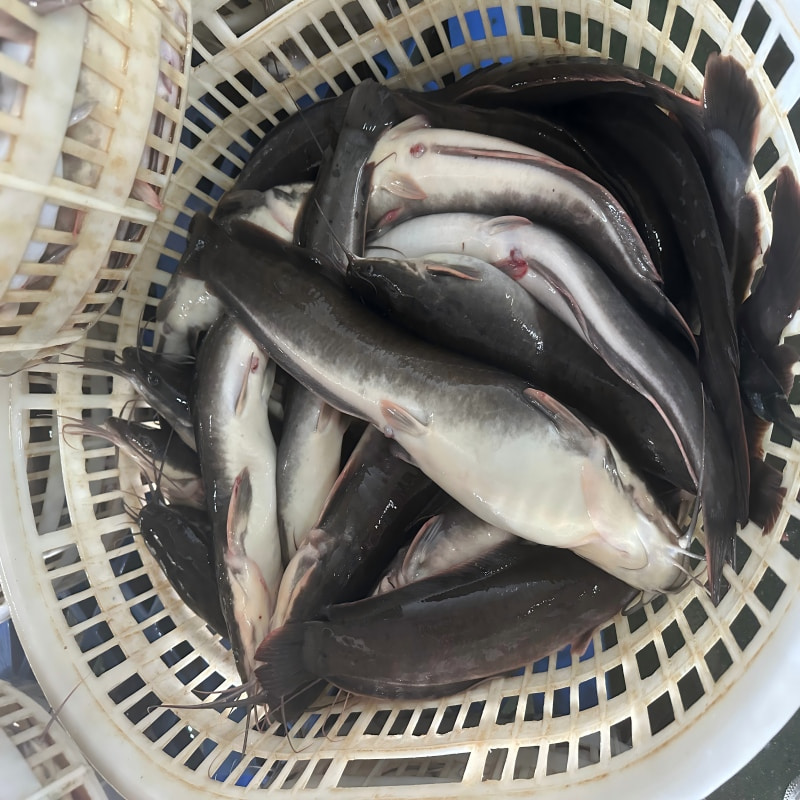
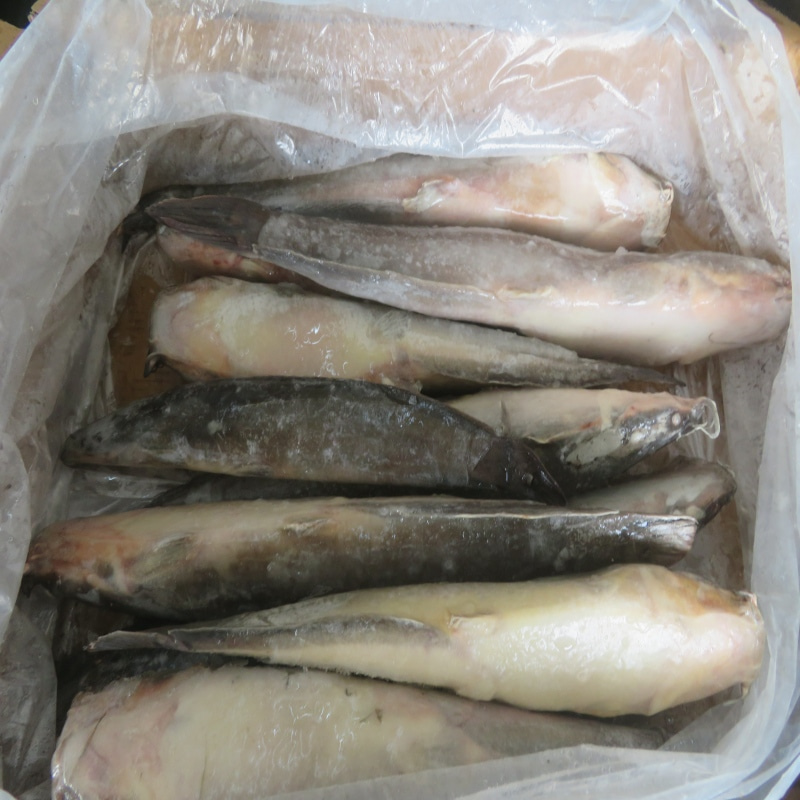
You will often see three main terms when you look at the international market for Frozen Catfish: Whole Round, HGT, and IQF Catfish. Each term describes a different product form and processing method.
- Frozen Catfish Whole Round means the fish stays in its original shape. Processors only remove the guts and clean the surface. You get the head, tail, and all fins.
- HGT stands for "Headed, Gutted, and Tail-off." In this form, processors remove the head, guts, and tail. You receive a cleaner product with less waste.
- IQF Catfish refers to "Individually Quick Frozen" fish. This method freezes each fish separately. You can choose between whole or HGT forms, but IQF usually means higher quality and easier handling.
You need to know these terms because they affect how you store, transport, and sell Frozen Catfish. Buyers in different markets may ask for one type over another. If you understand the differences, you can match your product to your buyer’s needs.
Main Specification Differences
The main differences between IQF Frozen Catfish Whole and HGT Catfish come from how processors handle and freeze the fish. These differences impact product quality, yield, and suitability for various uses.
Tip: Always check the product specifications before you place an order. Small changes in processing can affect your final yield and profit.
Here is a direct comparison to help you see the key differences:
| Feature | IQF Frozen Catfish Whole | HGT Catfish |
|---|---|---|
| Product Form | Whole fish (head, tail, fins) | Headed, gutted, tail-off |
| Freezing Method | Individually Quick Frozen (IQF) | Usually block or IQF |
| Processing Steps | Minimal (cleaning, gutting) | Head, gut, and tail removed |
| Handling | Easy to separate, less sticking | May stick together if block frozen |
| Yield | Lower (more waste) | Higher (less waste) |
| Common Use | Retail, whole fish markets | Food service, filleting, further processing |
| Appearance | Natural fish shape | Clean, ready for further prep |
- Freezing Methods: IQF uses rapid freezing. This keeps the flesh firm and moist. Block freezing, used for some HGT products, can cause more drip loss and drier texture.
- Processing Steps: Whole round fish need less processing. HGT fish require more labor but give you a cleaner product.
- Product Forms: Whole fish work well for markets that want traditional presentation. HGT fits buyers who want ready-to-cook fish.
You should choose the product form that matches your buyer’s expectations. If your customer wants convenience and less waste, HGT is the better choice. If they want a natural look or plan to process the fish further, IQF Frozen Catfish Whole may suit them best.
IQF Frozen Catfish Whole
Processing and Freezing Method
You will find that IQF Frozen Catfish Whole uses a rapid freezing process. This method freezes each fish individually, which helps you avoid clumping and makes handling easier. The IQF process forms micro-ice crystals inside the flesh. These crystals protect the muscle structure and help maintain moisture during storage and thawing.
When you compare IQF to fresh-frozen methods, you notice differences in texture and moisture release. IQF catfish releases more moisture when you bite or chew. The flesh feels less firm and more fibrous. You can see these differences in the table below:
| Attribute | IQF Catfish | Fresh-Frozen Catfish |
|---|---|---|
| Moisture Release | More | Less |
| Firmness | Less | More |
| Fibrous Texture | More | Less |
Tip: If you want a product that stays moist after thawing, IQF Frozen Catfish offers advantages. You get a fish that is easy to separate and quick to prepare.
Typical Specifications and Grades
You need to pay attention to grading standards when you import IQF Frozen Catfish Whole. Exporting countries use different grading systems. Vietnam focuses on size grading, defect tolerances, and compliance with regulations. The United States uses size bands, defect tolerance, and regulated inspection.
| Exporting Country | Grading Standards | Key Focus Areas |
|---|---|---|
| Vietnam | Size grading, defect tolerances | Scientific name, size grading, product condition |
| United States | Size (grams/piece), defect tolerances, regulated inspection | Trim, size band, defect tolerance |
You should check these points when you review product specifications:
- Size grading (weight band or count)
- Product condition and defect tolerances
- Net weight, including deglazed weight
- Traceability and lot labeling
- Cold-chain requirements, such as core temperature at loading
You can use these standards to ensure you receive high-quality Frozen Catfish. Proper grading helps you match your product to buyer expectations and avoid costly disputes.
HGT Catfish
Processing Steps
You need to understand how processors prepare HGT Catfish before freezing. Each step affects the final quality and shelf life of your product. Here is a typical process you will see in most facilities:
- Harvest the catfish from farms.
- Transport the fish alive to the processing facility.
- Rest the fish in a tank for 2-3 hours. This step helps empty the gut and reduces off-flavors.
- Anaesthetize the fish using salt water.
- Remove the head, gut, and tail. This creates the HGT form.
- Wash and inspect the fish for quality.
- Freeze the fish quickly to lock in freshness.
You can see that each step has a clear purpose. Resting the fish improves taste. Quick freezing protects the texture and moisture. If you skip or rush any step, you risk lower quality and shorter shelf life.
The freezing process happens so rapidly, only tiny ice crystals are formed inside the product. This helps preserve the fish's natural texture, moisture, shape, flavor, and nutritional value. In traditional slow freezing methods, larger ice crystals can form and damage the cellular structure of the fish. This may affect texture and result in moisture loss after thawing.
Specifications and Grades
You will find that HGT Catfish comes with specific grades and specifications. These help you match your product to buyer requirements. Most exporters use size grading, appearance, and defect tolerance as main criteria.
| Specification | Typical Range or Description |
|---|---|
| Size | 200–300g, 300–500g, 500–800g, etc. |
| Appearance | Clean, no blood, no bruises |
| Defect Tolerance | <5% minor defects |
| Glazing | 5–10% (to prevent dehydration) |
| Packaging | Bulk or retail packs |
| Temperature | -18°C or lower at core |
You should always check the product label for size, net weight, and country of origin. Ask for certificates if your market requires them. High-grade HGT Catfish will give you better yield and fewer complaints from buyers.
Frozen Catfish Whole vs. HGT Comparison
Appearance and Yield
You notice clear differences in appearance when you compare Frozen Catfish Whole and HGT. Whole fish keep their head, tail, and fins. This form looks natural and appeals to buyers who want traditional presentation. HGT fish lose the head and tail. You see a cleaner, streamlined shape that fits food service and further processing.
Yield matters for importers. Whole fish give you lower yield because you must remove the head and tail before cooking or processing. HGT fish offer higher yield. You get more usable meat and less waste. If you want to maximize your product value, HGT is often the better choice.
| Product Form | Appearance | Yield |
|---|---|---|
| Frozen Catfish Whole | Natural, intact fish | Lower |
| HGT Catfish | Clean, headless, tailless | Higher |
Tip: Always check the yield percentage in product specifications. Higher yield means more profit for your business.
Handling and Storage
Handling Frozen Catfish Whole is simple. IQF freezing keeps each fish separate. You can grab the exact number you need without breaking a block. HGT fish may come in block form or IQF. Block-frozen HGT fish stick together. You must thaw the whole block to access individual pieces.
Storage requirements are similar. Keep both products at -18°C or lower. IQF products make inventory easier. You avoid waste and reduce labor. Block-frozen products need more space and careful handling.
- IQF products: Easy to separate, quick to thaw.
- Block-frozen: Harder to portion, more risk of damage.
Common Use Cases
You choose the product based on your buyer’s needs. Frozen Catfish Whole suits retail markets and traditional restaurants. Buyers want the full fish for grilling or display. HGT Catfish fits food service, filleting, and ready-to-cook meals. You save time and reduce waste.
- Whole fish: Retail, ethnic markets, specialty dishes.
- HGT: Food service, fillet production, convenience meals.
Note: Matching the product form to your customer’s requirements helps you build trust and repeat business.
Quality Standards for Frozen Catfish
International Standards and Certifications
You need to understand the international standards and certifications before importing Frozen Catfish. Each region sets its own requirements for packaging, labeling, and food safety. Export cartons must use export-quality cardboard with proper strapping. Labels should show the country of origin and production method, such as "Farm-Raised." In the United States, you cannot label the product as "catfish." You must use names like "swai," "pangasius," or "basa." The European Union requires the scientific name and lot number on every label. Food safety clearance is essential. You must have health certificates and inspection notifications ready. The Catfish Inspection Program in the U.S. requires coordination with FSIS for import scheduling. Many buyers prefer ASC-certified or BAP-certified pangasius for sustainability.
| Requirement Type | Details |
|---|---|
| Packaging Standards | Export-quality cardboard, strapping |
| Labeling Requirements | Country of origin, method of production |
| U.S. Regulations | Use "swai," "pangasius," or "basa" |
| EU Regulations | Scientific name, lot number |
| Food Safety Clearance | Clearance through food safety authorities |
| Health Certificate | Health certificate and inspection notifications |
| Import Inspection | Catfish Inspection Program, FSIS coordination |
| Certification Options | ASC-certified or BAP-certified pangasius |
Certification requirements also vary by region. The European Union and EFTA countries require health certification and facility approval. Great Britain needs health certification and USFDA approval. India asks for registration with FSSAI. Kosovo does not require certification.
| Region | Certification Requirements |
|---|---|
| European Union | Health certification standards |
| EFTA Countries | Health certification, facility approval |
| India | Registration with FSSAI |
| Great Britain | Health certification, USFDA approval |
| Kosovo | No certification required |
Tip: Always check the latest import regulations for your target market. Requirements can change quickly.
Quality Indicators for Importers
You must evaluate several quality indicators when sourcing Frozen Catfish. Look for suppliers with a high on-time delivery rate, ideally 95% or higher. Quick response times, under 24 hours, help you solve problems fast. Choose suppliers with a long history in the market. This shows stability and experience. Arrange for third-party lab testing to confirm the product is free from contaminants. Pre-shipment inspections help you verify quality and quantity before the shipment leaves. Review the Certificate of Analysis for detailed specifications and test results. Ask for photo and video documentation of products and packaging. Demand robust traceability systems to track the product from farm to your facility.
| Quality Indicator | Description |
|---|---|
| On-time Delivery Rate | 95% or higher |
| Response Time | Under 24 hours |
| Business Longevity | Long-standing presence |
| Third-Party Lab Testing | Free from contaminants |
| Pre-Shipment Inspections | Independent verification |
| Certificate of Analysis (COA) | Detailed specs and test results |
| Photo and Video Documentation | Visual evidence before shipment |
| Traceability | Track product from farm to facility |
- Avoid packages with frost or ice crystals. These signs may mean the fish has been stored too long or thawed and refrozen.
- Check flesh firmness. Firm flesh signals freshness and proper freezing.
- Make sure all required certifications are present before accepting a shipment.
Note: High-quality packaging and absence of frost help you maintain product integrity and buyer satisfaction.
Import Considerations
Pricing and Supply
You need to understand how pricing and supply affect your import decisions. Prices for IQF Frozen Catfish Whole and HGT Catfish can change based on several factors. These include the season, global demand, and the size or grade of the fish. You may see lower prices during peak harvest months. Off-season periods often bring higher costs due to limited supply.
Bulk orders usually give you better pricing. Suppliers often offer discounts when you buy larger quantities. You should compare prices from different suppliers and check for hidden costs, such as glazing or packaging fees. Always ask for a detailed price breakdown before you confirm your order.
Tip: Track market trends and currency exchange rates. These can impact your final cost and help you plan your purchases more effectively.
A reliable supply chain ensures you receive your shipments on time. Work with suppliers who have a strong track record for meeting delivery schedules. Consistent supply helps you avoid stockouts and keeps your business running smoothly.
Sourcing and Logistics
You must choose the right bulk frozen catfish supplier to ensure product quality and timely delivery. Dinholgtrading stands out as a reputable brand for sourcing frozen catfish products. This supplier offers both IQF and HGT forms, meeting international standards and certifications.
When you source frozen catfish, check the supplier’s certifications, packaging methods, and cold-chain management. Ask for references and review their export history. Reliable suppliers provide clear documentation and support throughout the import process.
Logistics play a key role in successful imports. You should coordinate with your supplier to arrange shipping, customs clearance, and storage. Use temperature-controlled containers to keep the fish at -18°C or lower. Monitor transit times and inspect shipments upon arrival.
Note: Strong supplier relationships and careful logistics planning help you reduce risks and maintain product quality from origin to destination.
Choosing the Right Frozen Catfish Product
Assessing Business Needs
You should start by identifying your business goals before choosing a frozen catfish product. Think about your target market and the type of customers you serve. Retailers often need whole fish for display and traditional recipes. Food service companies usually want products that save time and reduce waste, such as HGT catfish.
Ask yourself these questions:
- Who are your main buyers?
- Do your customers prefer convenience or traditional presentation?
- What is your storage capacity?
- How important is yield and portion control for your business?
- Do you need certifications for your market?
You can use a simple table to match your needs:
| Business Type | Best Product Form | Key Benefit |
|---|---|---|
| Retail/Markets | IQF Whole Catfish | Natural appearance |
| Food Service | HGT Catfish (IQF/Block) | Higher yield, less prep |
| Processors | HGT Catfish | Ready for filleting |
Tip: Review your customer feedback and sales data. This helps you choose the right product for your market.
Product Recommendations
You should select a supplier who meets your quality and certification needs. Dinholgtrading stands out as a reliable bulk frozen catfish supplier. This company offers both IQF Frozen Catfish Whole and HGT Catfish. You can request product samples to check quality and match your buyer’s expectations.
When you place an order, ask for:
- Detailed product specifications
- Certifications (ASC, BAP, or others required by your market)
- Clear packaging and labeling
- Consistent supply and on-time delivery
If you want flexibility and easy handling, choose IQF products. For higher yield and less waste, HGT catfish works best. Dinholgtrading can help you customize your order based on your business needs.
Note: Build a strong relationship with your supplier. Good communication ensures you get the right product every time.
You see clear differences between IQF Frozen Catfish Whole and HGT. IQF offers easy handling and a natural look. HGT provides higher yield and less waste. Choose the product that fits your business goals. Always check supplier quality and product specifications. Use best practices to ensure compliance:
| Best Practice | Description |
|---|---|
| Specifications | Focus on trim quality, size range, and frozen-product integrity controls. |
| HACCP Controls | Implement HACCP-based controls and routine third-party testing. |
| Cold Chain Management | Specify reefer setpoints and use temperature loggers for safe transport. |
Evaluate these factors before you place your order.
FAQ
What does IQF mean for frozen catfish?
IQF stands for Individually Quick Frozen. You get each fish frozen separately. This method helps you avoid clumping and makes handling easier. IQF also helps keep the fish moist and fresh after thawing.
How do I choose between whole and HGT catfish?
You should consider your buyer’s needs. Whole catfish work best for retail and traditional dishes. HGT catfish give you higher yield and less waste. Food service and processors often prefer HGT for convenience.
What certifications should I check before importing?
You need to check for ASC, BAP, or other certifications required by your market. Always ask for health certificates, inspection reports, and clear labeling. These documents help you meet food safety and import regulations.
How can I spot quality issues in frozen catfish?
Look for firm flesh and clear packaging. Avoid products with frost or ice crystals. These signs may mean the fish thawed and refroze. Always check for proper labeling and certification before accepting a shipment.